About / Production
Designed, Prototyped and 3D‑Printed In-House
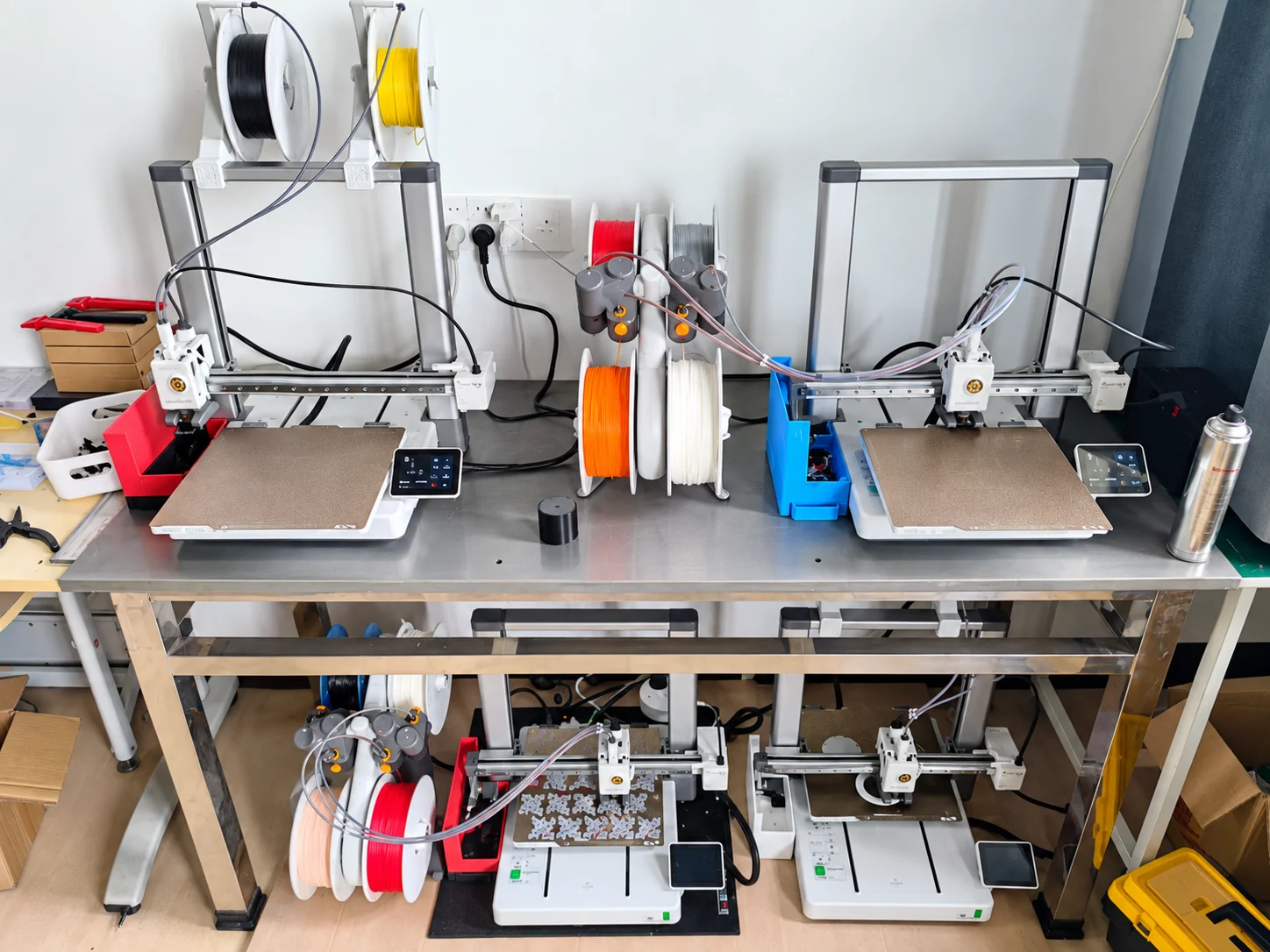
NOLAVU 3D Studio develops small-batch craft tools with a focus on practical product gaps, physical prototyping and flexible design iteration.
Current focus: Diamond Painting tools and 2.6mm Mini Fuse Bead workflow tools.
What We Are
A Small Product Development Studio, Not a Mass-Market Catalog
NOLAVU focuses on developing and producing differentiated craft tools in smaller batches.
The goal is not to offer the largest possible catalog, but to work on products where structure, workflow or visual differentiation can create a meaningful reason for a customer to add a new accessory.
- Product-focused development
- Physical prototyping
- FDM 3D printing
- Small-batch production
- Structural customization
- Workflow-oriented design
Focus
Focused on Two Craft Workflows
Diamond Painting
- Reusable trays
- Magnetic and closable structures
- Themed accessories
- Functional workflow tools
2.6mm Mini Fuse Beads
- Alignment tools
- Sorting tools
- Handling tools
- Workflow-focused accessories
Workflow
From Digital Design to Physical Product
- 01Requirement
- 02Design
- 03Prototype
- 04Revision
- 05Production
Production Evidence
Real Design. Real Printing. Real Testing.
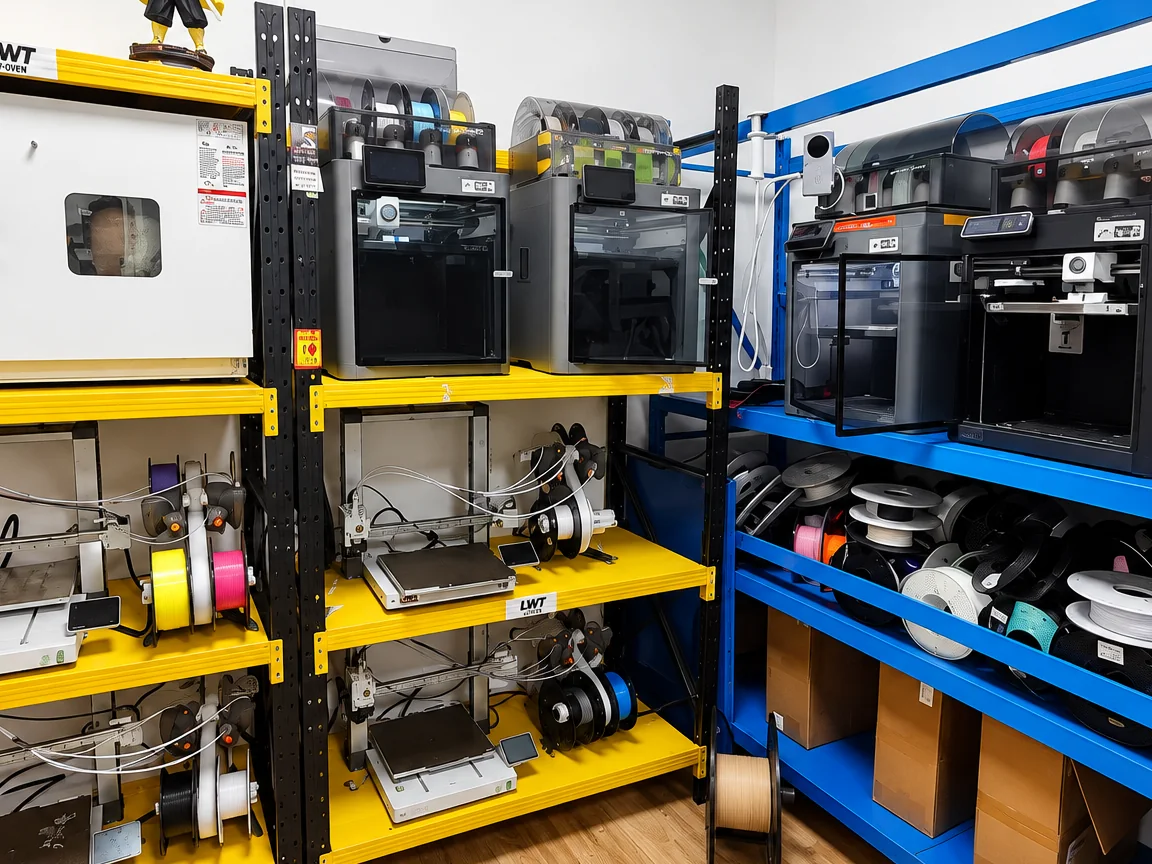
The production process shown on this website is based on actual NOLAVU development and printing work.
AI-assisted visuals may be used for presentation or marketing concepts, but they are not used as substitutes for production proof.
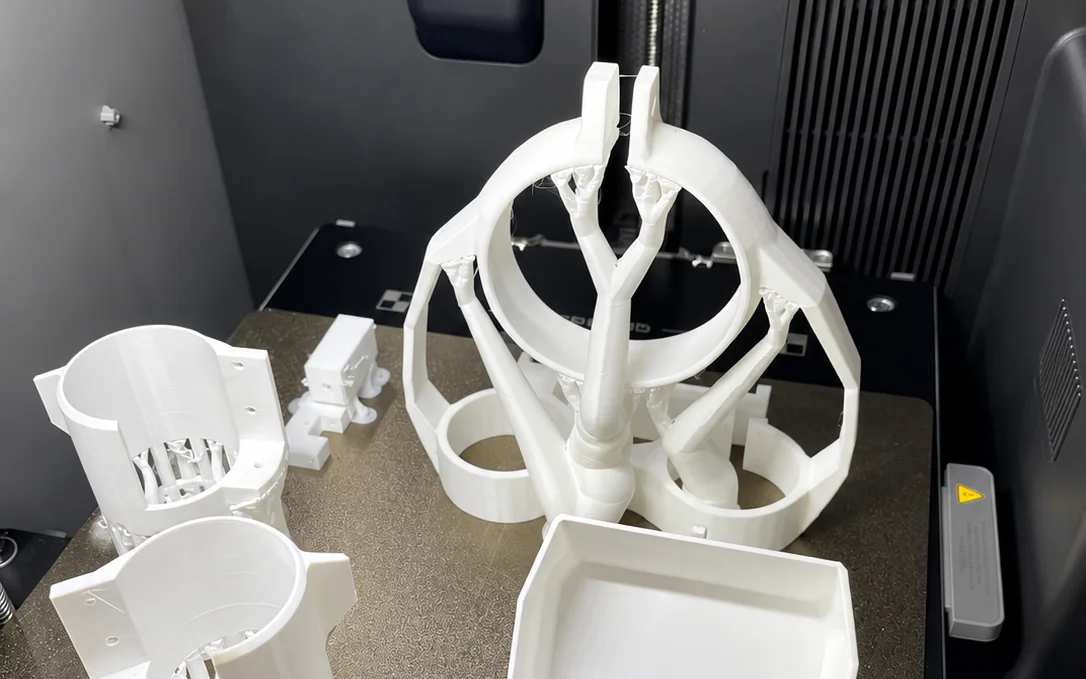
Printer in Operation
CAD / Slicer
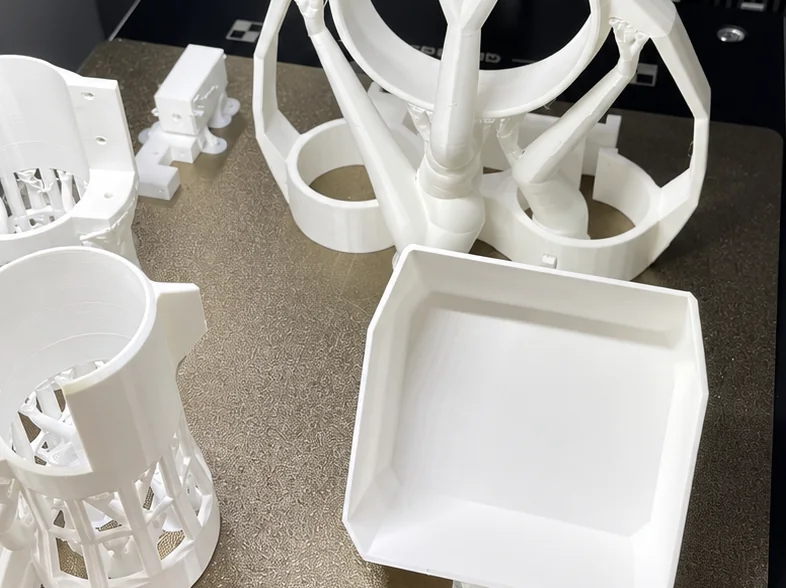
Printed Part
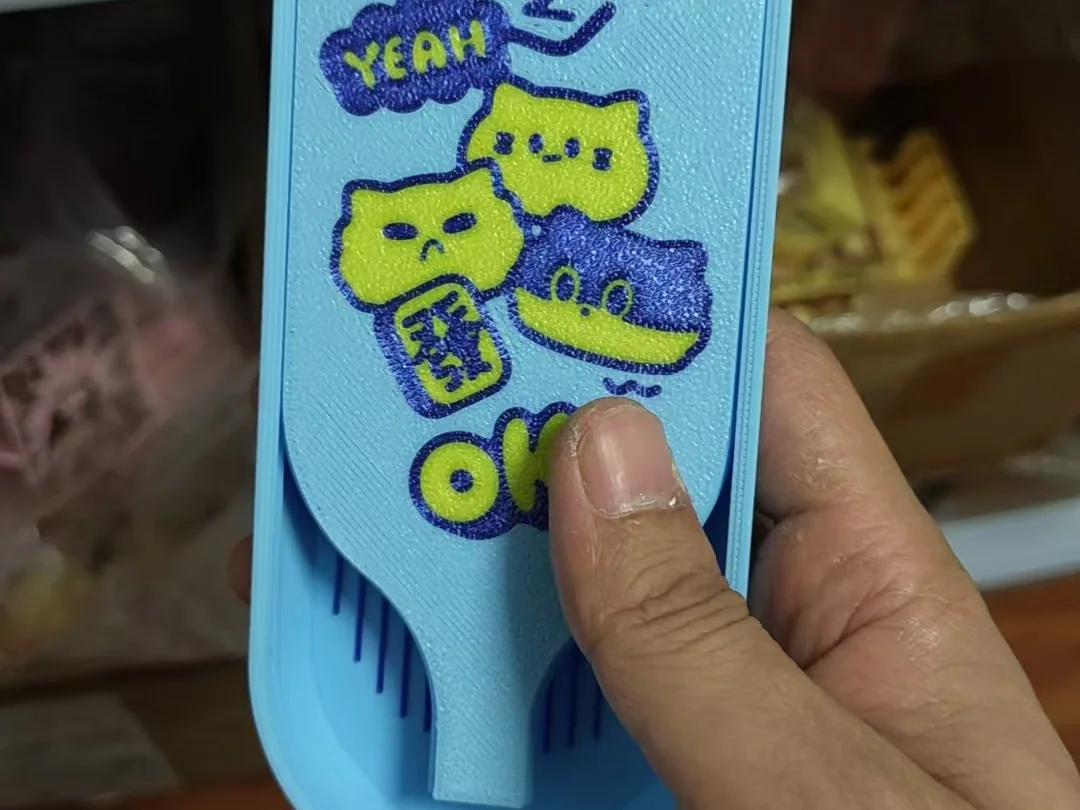
Assembly
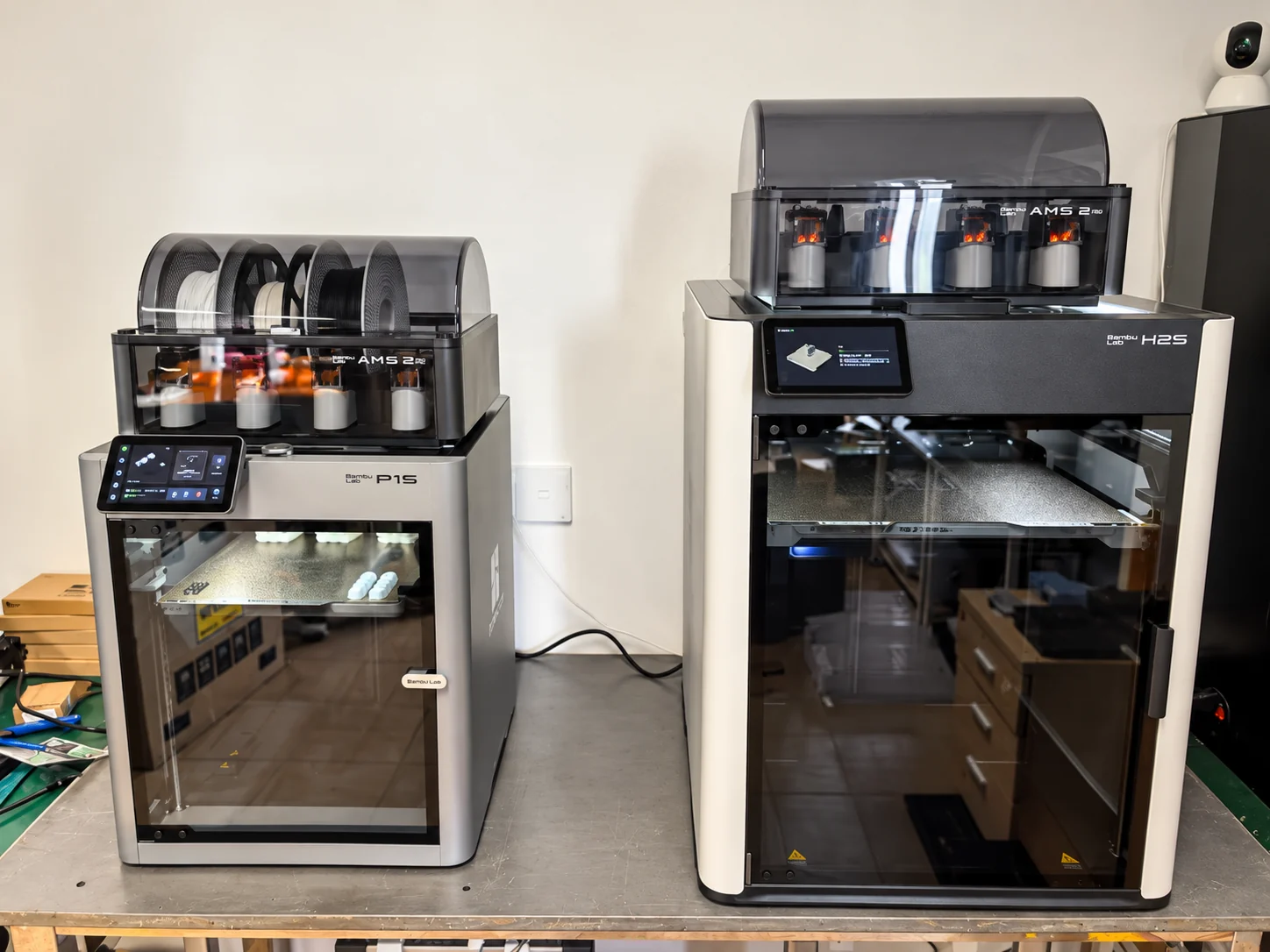
Functional Testing
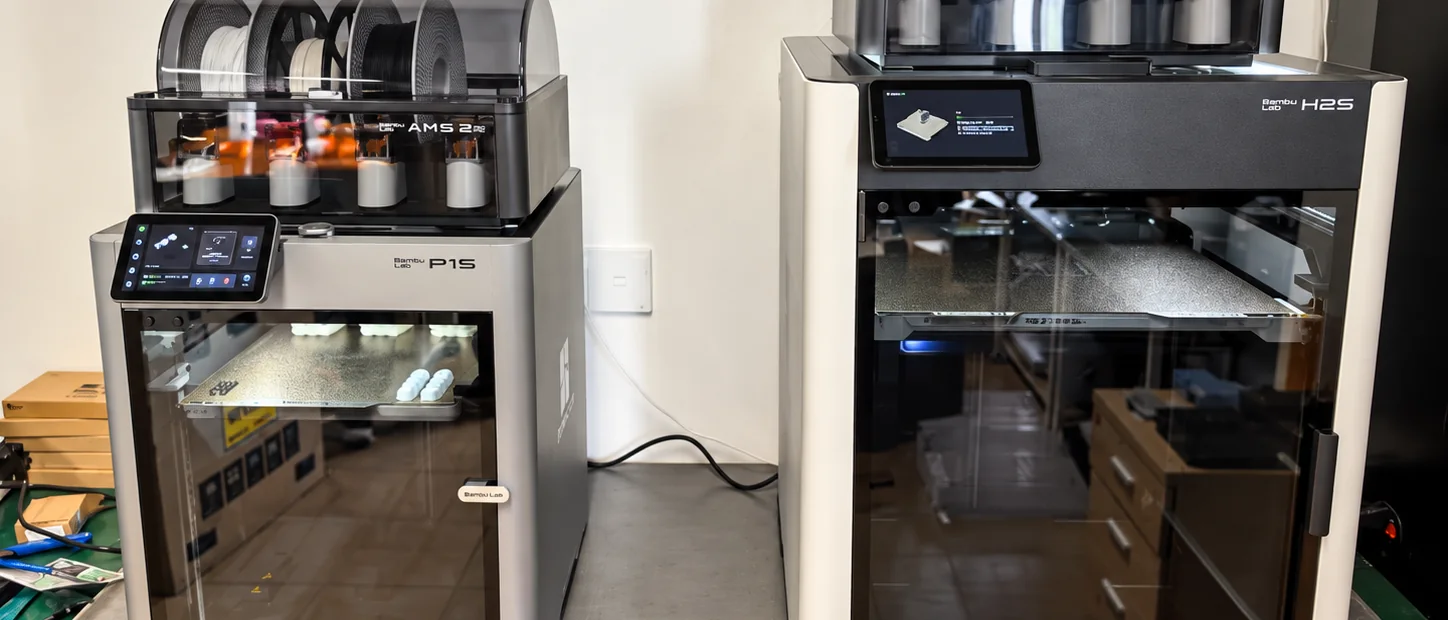
Workspace
Why Physical Testing Matters
Changes Can Be Tested Physically
Because prototypes are printed rather than described, structural questions can be answered by handling the part instead of reasoning about it.
- Closure mechanisms
- Sliding structures
- Grooves
- Handles
- Compartments
- Fit
- Ergonomics
- Workflow improvements
Method
FDM 3D Printing
Current products are primarily developed using FDM 3D printing, with PLA commonly used depending on the product and application.
Material choice is discussed per project. PLA is used because it is practical for functional prototypes and small batches, not as a claim about quality.
Small Batches
Small-Batch Development Before Scale
- Test a new accessoryCheck whether a tool is actually used before committing to a wider range.
- Explore a differentiated structureTry an approach that would be difficult to justify across a large catalogue.
- Develop a niche productServe a narrower audience without carrying the cost of a broad range.
- Introduce a seasonal or limited conceptRun a time-limited idea at a volume that does not require long-term inventory.
- Evaluate a new workflow tool before scalingConfirm the workflow improvement is real before making it part of the standard offer.
Location
Based in China, Working With Overseas Craft Businesses
NOLAVU develops and produces products in China and communicates directly with overseas business customers during product development, sampling and production discussions.
Development discussions, structural revisions and sample review are handled directly rather than through an intermediary, so questions about a specific product can be answered in context.
Want to See Whether a Product Idea Is Suitable for 3D‑Printed Development?
Send the product direction, a reference image or a workflow problem. We will tell you honestly whether it suits prototyping and small-batch production.